Darknet Markets 2025:
The dark web is part of the deep web but is built on darknets: overlay networks that sit on the internet but which can't be accessed without special tools or software like Tor. Tor is an anonymizing software tool that stands for The Onion Router — you can use the Tor network via Tor Browser.
| Darknet Market | Established | Total Listings | Link |
|---|---|---|---|
| Nexus Market | 2024 | 600+ | Onion Link |
| Abacus Market | 2022 | 100+ | Onion Link |
| Ares | 2025 | 100+ | Onion Link |
| Cocorico | 2023 | 110+ | Onion Link |
| BlackSprut | 2023 | 300+ | Onion Link |
| Mega | 2016 | 400+ | Onion Link |
Updated 2025-12-16
Finding the Right Darknet for Your Needs
A darknet market list functions as a curated directory for platforms that facilitate trade using cryptocurrencies and anonymizing networks like Tor. These lists are essential tools for users seeking to engage in commerce that prioritizes privacy and operates outside conventional financial systems. They provide a centralized starting point for discovering available venues.
The primary value of such a list lies in its ability to aggregate and compare different darknet markets based on objective criteria. A well-maintained list goes beyond simply naming sites; it offers a structured analysis of each market's operational strengths. This analysis typically includes:
- User interface and experience, evaluating how easy it is to navigate the market and complete transactions.
- Security features, such as the implementation of escrow services and two-factor authentication to protect both buyers and sellers.
- Vendor reputation systems, which are critical for establishing trust and ensuring the quality of goods and services.
By compiling this data, a darknet market list reduces the initial effort required to find a suitable platform. It allows individuals to make informed decisions, selecting a market that best aligns with their specific requirements for functionality, security, and product availability. The list itself becomes a dynamic resource, reflecting the current state of the ecosystem and guiding users toward more reliable and efficient trading experiences.
How to Buy and Sell on a Darknet Market
The operational model of a darknet market is designed to facilitate secure and anonymous transactions. Access requires specialized software, such as the Tor browser, which anonymizes user traffic. Upon reaching the market, users create an account, which functions similarly to accounts on conventional e-commerce platforms but with a greater emphasis on anonymity.
The process for buying begins with browsing product listings. Vendors create these listings, which include descriptions, prices, and shipping information. A critical feature is the escrow system. When a buyer places an order, their cryptocurrency payment is held in escrow by the market administrators. This protects the buyer by ensuring the vendor only receives payment after the buyer confirms satisfactory receipt of the goods. After the buyer finalizes the order, the funds are released to the vendor.
For sellers, the process involves setting up a vendor account, which often requires a fee. They then list their products, manage orders, and arrange for discreet shipping. The entire ecosystem relies on a feedback and reputation system. Buyers leave reviews and ratings for vendors, which builds a track record of reliability. This system is the primary mechanism for establishing trust, as it allows new users to identify vendors with a history of successful transactions and high-quality products.
Easy-to-Use Darknet Markets for Smooth Shopping
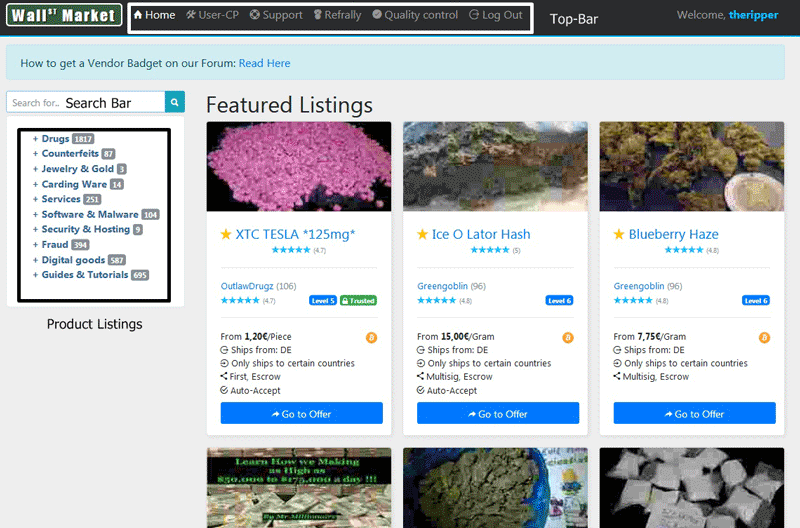
The user interface of a darknet market is a primary factor in its operational efficiency. A well-designed platform facilitates smooth transactions by minimizing the time and effort required for navigation. Markets with a clean layout and intuitive search functions allow buyers to locate specific products quickly, which is a significant advantage over cluttered or confusing alternatives.
Ease of use extends to the entire purchasing process. A superior market streamlines the experience from product selection to finalizing the order. This includes a straightforward checkout procedure, a clear messaging system for vendor communication, and an easily accessible dispute resolution center. These elements reduce user error and contribute to a more reliable trading environment.
Visual design is not merely aesthetic; it directly impacts functionality. Consistent and logical design choices, such as a coherent color scheme and readable typography, reduce cognitive load. This allows users to focus on evaluating product listings and vendor reputations rather than struggling with the interface itself. A market that invests in a professional design often reflects a broader commitment to stability and security.

How Darknet Markets Keep Your Trades Secure
The foundation of a successful transaction on a darknet market is its security architecture. A market's commitment to protecting its users is the primary factor determining its longevity and trustworthiness. The most basic and non-negotiable feature is the mandatory use of PGP encryption for all sensitive communication. This ensures that only the intended recipient, whether a vendor or a buyer, can read the contents of a message, shielding addresses and other details from potential interception.
Markets that prioritize security often implement multi-signature escrow options. This system distributes control of the funds among the buyer, the vendor, and the market, requiring more than one party to approve a transaction. This significantly reduces the risk of exit scams, where market administrators abscond with user funds held in escrow. The presence of a well-functioning multi-sig system is a strong indicator of a market's operational integrity.
Beyond financial safeguards, the technical infrastructure is critical. A market's resistance to DDoS attacks is essential for maintaining reliable access. Furthermore, a clear and transparent privacy policy that details data handling practices, specifically the non-retention of logs, is a positive sign. User-controlled security settings, such as two-factor authentication (2FA), add an essential layer of account protection against unauthorized access. A market that integrates these features demonstrates a proactive approach to user safety, creating a more secure environment for commerce.
How Vendor Reputation Builds Trust on the Darknet
Vendor feedback and reputation form the primary mechanism for establishing trust and ensuring transaction quality on a darknet market list. The decentralized nature of these platforms means that a vendor's history is the most reliable indicator of their reliability. A seller with a long record of positive feedback is more likely to provide high-quality products and adhere to shipping timelines.
The feedback system acts as a continuous performance review. Buyers report on the product quality, shipping speed, and stealth of the packaging. Consistent positive reviews across hundreds of transactions significantly reduce the risk for new buyers. This accumulated data allows for an objective assessment of a vendor's operational standards.
Analyzing feedback specifics is crucial. Comments detailing exceptional stealth or precise product weight indicate a professional operation. Conversely, a pattern of complaints about underweight orders or slow communication serves as a clear warning. Markets that feature detailed vendor profiles with metrics like order completion rate and response time provide a more nuanced picture beyond simple star ratings.
This ecosystem of peer reviews creates a self-regulating environment where vendors are incentivized to maintain high standards. A strong reputation directly translates into increased sales and the ability to command premium prices, making it a vendor's most valuable asset. For buyers, this system is the cornerstone of a safe and predictable purchasing experience.

Finding What You Need in the Darknet
The primary function of a darknet market list is to connect buyers with platforms that specialize in their desired goods. These lists categorize markets based on their product variety, allowing users to efficiently locate a platform that meets their specific requirements. A market's inventory is a direct indicator of its scale and the diversity of its vendor base.
For specialized items, such as specific pharmaceutical compounds or research chemicals, a general market may be insufficient. Certain platforms develop a reputation for excellence in particular niches, attracting the most knowledgeable and reliable vendors in that field. A detailed darknet market list will highlight these specialty hubs, noting their strengths in specific product categories. This specialization often correlates with higher product purity and more consistent quality, as vendors are subject to scrutiny from an informed customer base.
The search functionality of a market is critical. Effective platforms offer robust filters for price, vendor reputation, shipping origin, and product form. Vendor storefronts with detailed product descriptions and high-resolution images provide greater transparency and build trust. The ability to find a precise product from a reputable seller is a key metric for evaluating a market's utility, making it a central point of analysis in any comprehensive list.
Secure Payments with Monero on the Darknet
The evolution of payment systems on darknet markets represents a significant advancement for secure commerce. Bitcoin, while pioneering, has been largely supplemented by privacy-focused cryptocurrencies like Monero (XMR). The key distinction lies in the transaction visibility; Bitcoin operates on a public ledger, whereas Monero's blockchain is obfuscated by default, providing a substantially higher degree of financial anonymity for both buyers and vendors.
Markets that prioritize security typically integrate a direct, internal wallet system. This mechanism functions by generating a unique deposit address for each user. When a customer transfers cryptocurrency to this address, the funds are credited to their market account balance. This process creates a crucial separation between the public blockchain transaction and the subsequent internal market transaction, enhancing security. The most robust platforms now enforce Monero-only policies to mitigate the risks associated with blockchain analysis.
The transaction workflow is designed for reliability:
- A buyer funds their market wallet from an external, private source.
- Upon order placement, the payment is held in escrow by the market administrators.
- Escrow protection ensures the vendor receives payment only after the buyer confirms successful delivery, resolving disputes fairly.
- Final settlement to the vendor occurs after the buyer finalizes the order, completing the secure cycle of trade.
This financial infrastructure supports a thriving ecosystem where access to a wide range of goods is facilitated by sophisticated, secure, and anonymous payment channels. The continued adoption of superior cryptocurrencies like Monero directly contributes to a safer and more resilient trading environment for all participants.

Keeping Up with a Dynamic Darknet
The landscape of darknet markets is inherently dynamic and fluid. A market list is not a static directory but a living resource that requires constant maintenance to remain relevant and useful for facilitating trade.
Markets frequently experience operational changes that directly impact user access and security. These include:
- Regular domain rotations to avoid DDoS attacks and maintain uptime.
- Updates to the market's PGP key, which is essential for verifying the authenticity of the site and preventing phishing.
- Changes in the fee structure for vendors and buyers, affecting the cost of transactions.
Furthermore, the reliability of a market can shift rapidly. A platform praised for its escrow system and customer support one month might suffer from technical issues or administrative problems the next. Continuous monitoring provides insights into a market's stability, indicating whether it is a safe environment for storing funds and completing orders. The phenomenon of an exit scam, where market administrators seize user funds and disappear, is a critical risk. An updated list tracks market longevity and user reports, offering early warning signs of potential fraudulent activity.
The availability of products and vendors is another factor. New vendors with high-quality items emerge, while established ones may retire or move to different platforms. An updated list reflects these shifts in the ecosystem, helping users connect with the best suppliers. Payment methods also evolve; while Bitcoin remains common, some markets adopt alternative cryptocurrencies like Monero for enhanced privacy. A current list details these options, allowing users to choose a market that aligns with their preferred payment method.
Therefore, frequent updates are fundamental to the list's utility. They transform it from a simple catalog into a real-time analytical tool that supports secure and efficient participation in the darknet economy.